

Lilac (#93629B): an introduction
Greek myths, grieving widows, and an interior design star

This introduction to the color Lilac is translated from Anna-Lena’s blog - see the original German version here.
As with the color Apricot, our next article will share a Lilac-themed tablescape and menu (see our Apricot-themed work here in case you missed it). Subscribe to get it in your inbox as soon as we press Send:
“In the rustling of the reeds, the Ancient Greeks believed they could hear the voice of a nymph. According to legend, Syrinx, a river nymph, was transformed into reeds while fleeing the god Pan, looking to escape his pursuit. When the wind moved through the stalks and drew out a quiet melody, Pan cut some of them and fashioned his flute from them. From then on, it bore the name of the nymph: Syrinx.” - Ovid, Metamorphoses, Book I, lines 689–712.

For the first time this year, the thermometer is creeping toward 30 degrees Celsius.
The first outdoor breakfast.
The first affogato.
The first time applying a beautifully scented après-sun lotion after a shower.
The perfect start to summer.
The last purple rhododendrons are in bloom and the scent of lilac hangs in the air. All around, different shades of violet are competing to outshine each other: columbine, allium, and scabiosa. If they can’t rival its scent, then at the very least, the other plants seem to want their color to keep up with Syringa vulgaris, the common lilac. Enchanted by its wonderful fragrance, I can’t help but crown lilac my color of the summer.
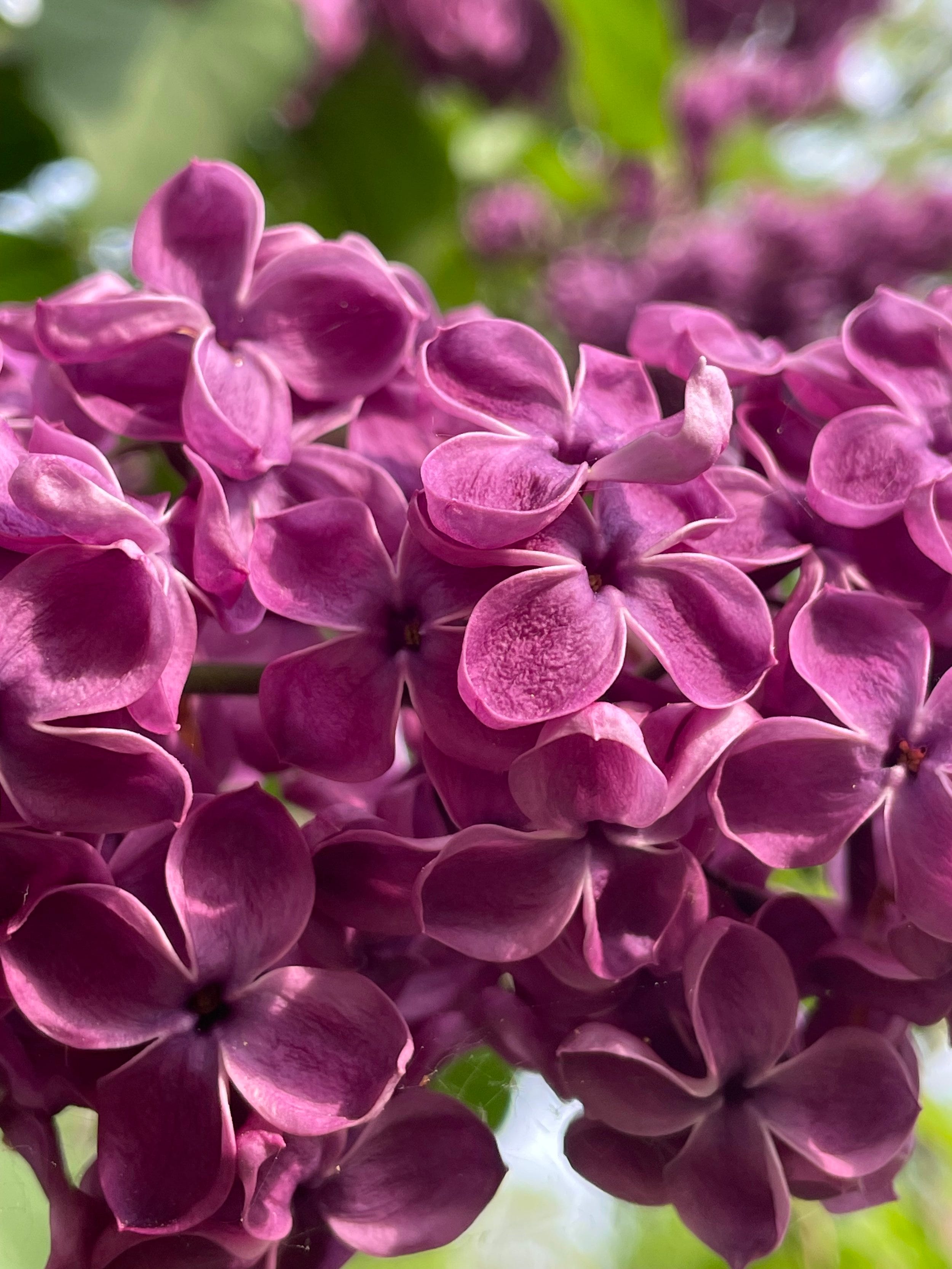
But what does lilac have to do with the nymph Syrinx?
More than you might think. The botanical name for lilac is Syringa — derived from the Greek syrinx, the reed that Pan used to make his flute. The hollow branches of the lilac plant were also once made into flutes, which were said to have produced a particularly beautiful sound. So the plant is connected to the old myth not only by name, but also by a quiet echo of its music. But it’s likely that lilac’s bewitching fragrance also played a role in giving the plant its name.
Perhaps it is precisely this mixture of scent, sound, and myth that makes lilac so special. Long before it lent its name to a color, it was already the bearer of a story about longing, transformation, and the attempt to hold on to something fleeting.
As a color, lilac first appeared many centuries after the myth of Pan’s flute. In 1766, lilac left the world of flora and first entered the world of fauna, when it was used to describe the throat of a bird, the Lilac-breasted roller. Shortly thereafter, in 1775, lilac was officially recognized as a color in England and grew steadily in popularity. It was first associated with grieving widows, who expressed the loss of their loved ones through lilac- or lavender-colored dresses — but as far as lilac was concerned, that was only the beginning.
In a separate process, a medium to deep violet tone began establishing itself in early 19th-century interior design, under the name French Lilac. That cemented lilac as a permanent player in the interior design world.
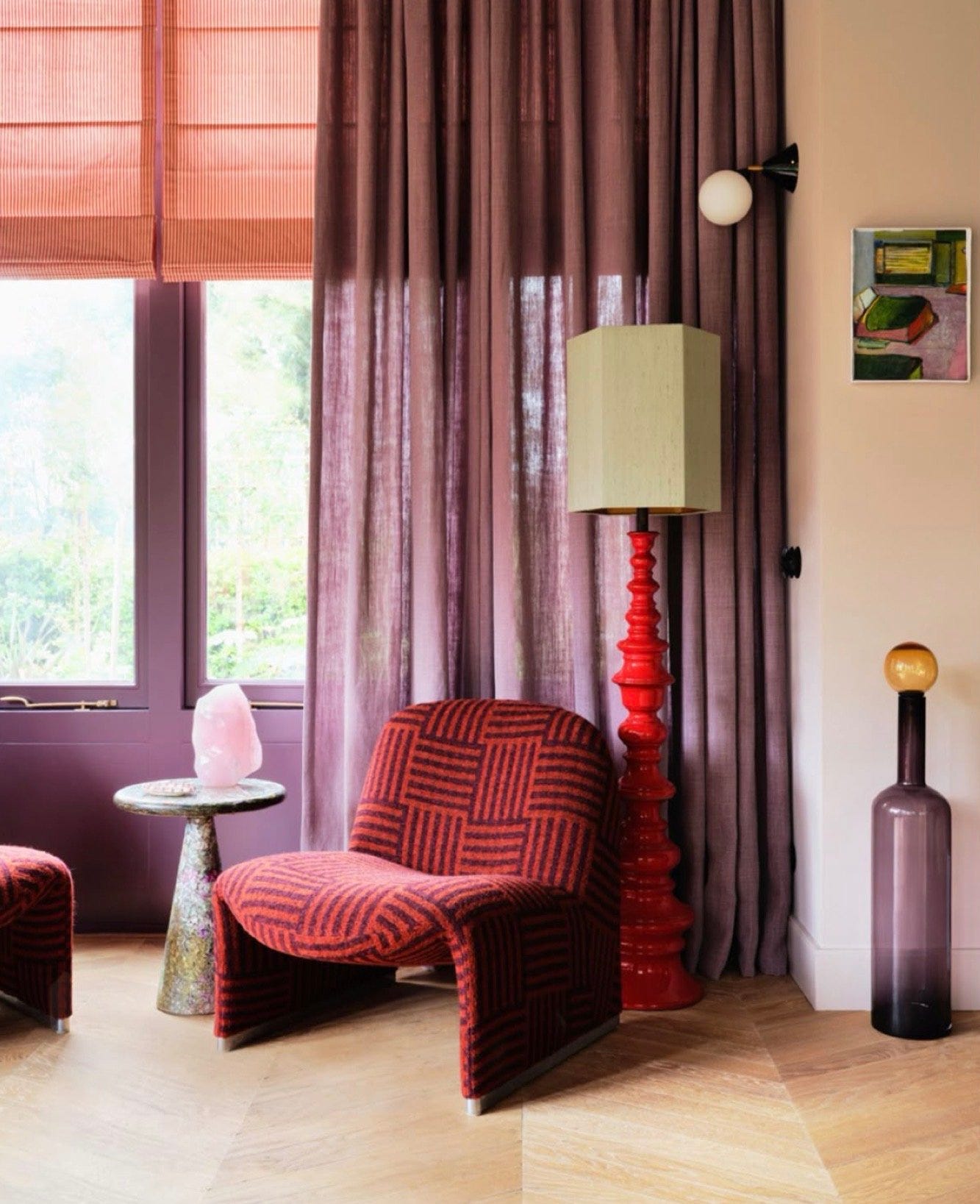
But which color are we actually talking about, exactly?
Lilac is bluer than purple, but redder than violet.
Lavender and lilac are often confused with each other, but lavender is much cooler than lilac and also somewhat paler and more powdery. In fact, the German word for purple — lila — originally referred to lilac specifically, before broadening over time to cover all shades of violet.
Although it’s less powdery than lavender, lilac is still perceived as a gentle color, which makes it very easy to use. It feels particularly pleasant and natural when combined with olive green, and when it’s paired with warm colors, it makes a room glow. Things become especially interesting when lilac or purple are combined with other violet tones. In theory, you really can’t go wrong with lilac — it’s a rather restrained color that is surprisingly versatile. This ability to adapt to the most varied design contexts makes lilac a stylish, yet timeless, interior design choice.
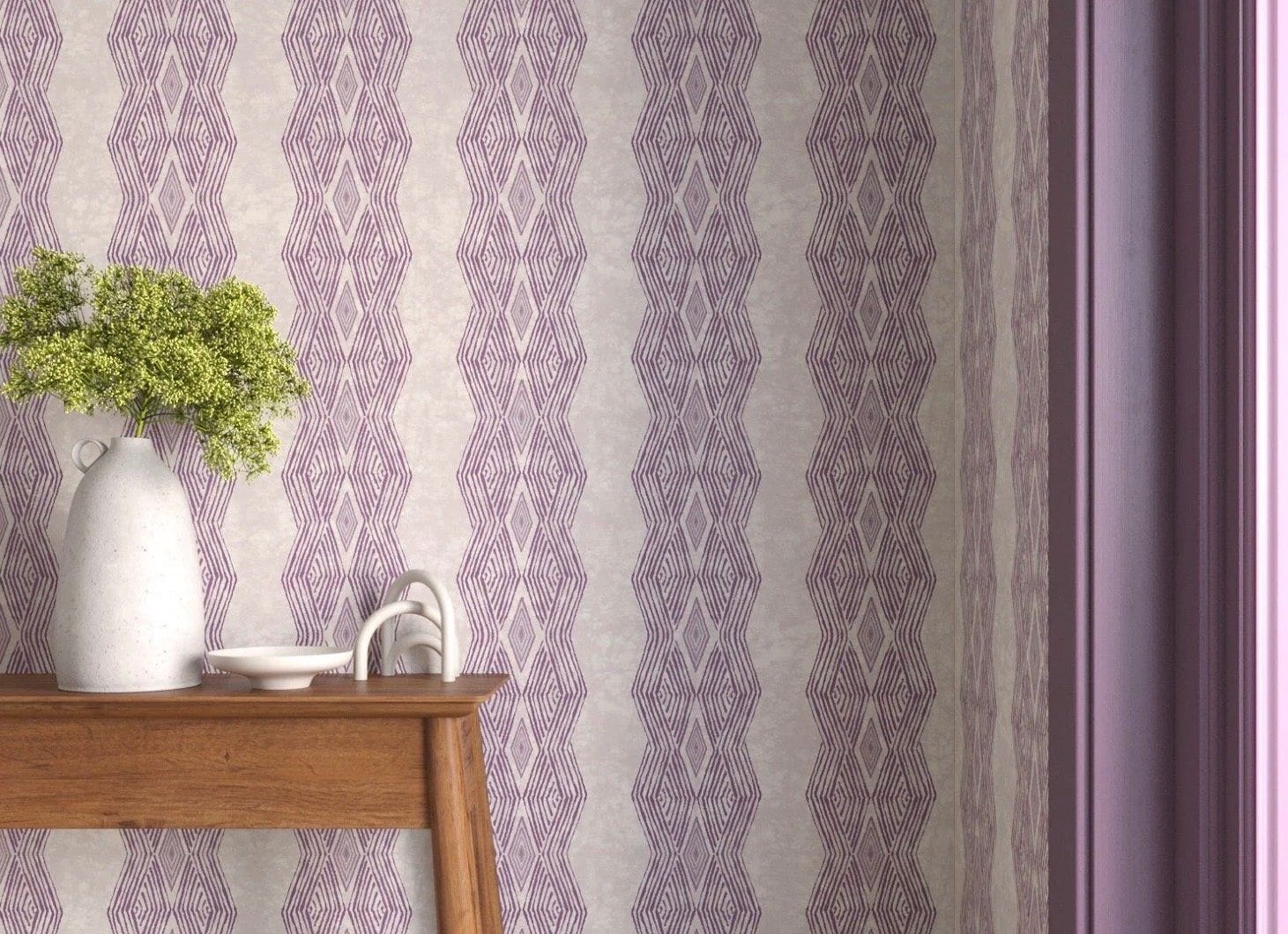
It’s for exactly this reason that I’d like to encourage you to reconsider the white on your walls, and perhaps give lilac a try. There are also many beautiful patterned wallpapers in lilac, which don’t come off as being too feminine. My advice: start in the bathroom and simply work your way forward - I genuinely cannot think of a room where lilac would be unsuitable. Have fun with it!
And do take a moment to smell the lilac while it’s still in bloom: like the nymph herself, the lilac flower is fleeting. I wish you a warm and pleasant summer.